Four Questions to Ask Before Calling an AI Result a Scientific Breakthrough
Look at the data, task, validation, and path to real-world use before treating a model demonstration as a scientific conclusion.
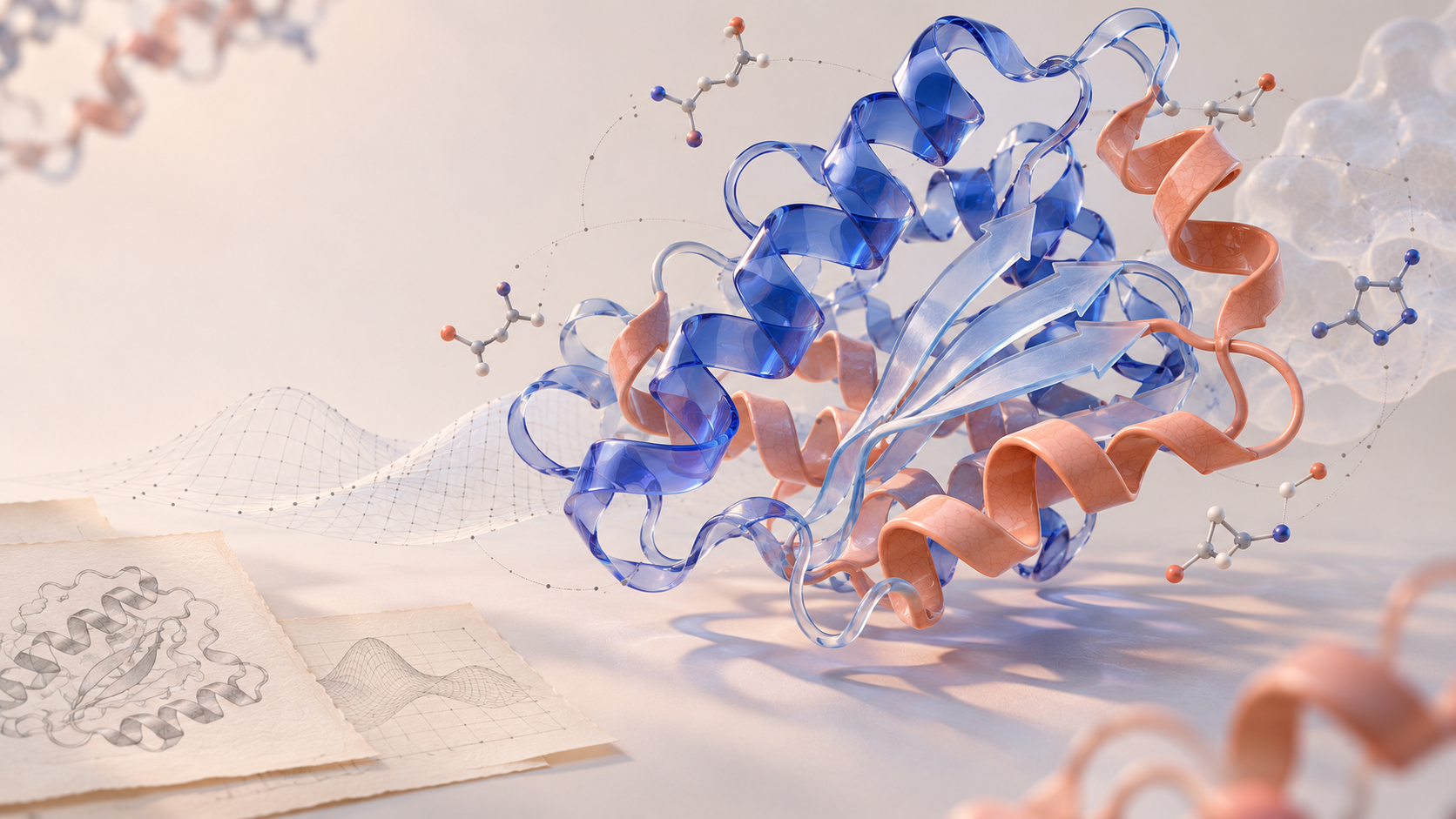
AI science stories often begin with a claim that a model has ‘solved’ a decades-old problem. But model performance, scientific understanding, and real-world application are separated by several layers of evidence.
1. What task did the model actually complete?
Prediction, generation, classification, and decision-making are different tasks. Predicting a structure does not explain every mechanism. Generating a candidate does not demonstrate that the candidate works.
2. Where did the data come from?
Whether a training set covers the target problem—and whether evaluation data is truly independent—affects how well a result can generalize. Claims that are vague about data sources deserve caution.
3. How was the result validated?
Scientific credibility does not come from benchmark scores alone. Experimental replication, external validation, long-term observation, and documented failures all matter.
4. How far is it from practical use?
Moving from a laboratory result to a medicine, energy system, or industrial process requires work on cost, safety, regulation, and scale. Reporting should identify the current stage instead of presenting potential as an accomplished fact.
AlphaFold matters not only because of its performance, but because researchers adopted it and integrated it into experimental science. Understanding that path into practice is more useful than chasing a single demonstration.
Case source: The Nobel Prize in Chemistry 2024 — official press release.